Emma, a 27‑year‑old graphic designer in Manchester, spends 45 minutes on the train each way. She used to scroll through static puzzles, but last month her phone suggested a new racing game that adapts the track difficulty to her heart rate—measured via the smartwatch she’s wearing. Within ten minutes the game ramped up the challenge just enough to keep her engaged without feeling frustrated. That tiny, data‑driven tweak is the kind of AI magic reshaping mobile gaming across the UK.
Dynamic Difficulty: AI Knows When to Turn Up the Heat
Developers now feed real‑time player metrics—win/loss ratios, session length, even device temperature—into reinforcement‑learning models. The result? Games that adjust enemy AI, puzzle complexity, or reward frequency on the fly. A recent study of 12,000 UK players showed a 22% increase in daily active users for titles that employed dynamic difficulty versus static‑level games.
For example, the popular tower‑defense app “ShieldGuard” uses a lightweight neural net that predicts a player’s next move with 78% accuracy and pre‑emptively spawns tougher waves only when the model senses the player is cruising.
Personalised Content Recommendations
AI‑driven recommendation engines have moved beyond “you might also like” lists. By analysing in‑app behavior, language settings, and regional events (like the Edinburgh Festival), they surface themed quests or limited‑time skins that feel tailor‑made. In October 2023, a UK‑based puzzle platform reported a 15% lift in in‑app purchases after introducing an AI that matched new content to local holidays.
These systems also respect privacy: most rely on on‑device inference, meaning the raw data never leaves the phone, only the aggregated insights.
Voice and Natural Language Interaction
Voice assistants are no longer confined to setting alarms. Mobile games now integrate speech‑to‑text models that let players issue commands in natural language. “Dragon Quest: Isles” lets UK players say “summon a fire dragon” instead of navigating menus. The underlying model, trained on a corpus of British English slang, reduces misrecognition rates to under 5%.
Beyond convenience, this opens accessibility doors for visually impaired gamers, who can now enjoy complex RPGs without relying on touch controls.
AI‑Generated Art and Soundtracks
Procedural generation isn’t new, but AI‑crafted assets are. Using diffusion models, developers generate unique background art that matches a player’s style preferences—whether it’s gritty urban grime or pastel fantasy. Sound designers employ generative adversarial networks to compose adaptive music that shifts tempo with the player’s in‑game speed.
One indie studio in Glasgow reported cutting art production time by 40% after adopting AI tools, allowing them to release weekly updates instead of monthly.
From Mobile to the Wider Entertainment Landscape
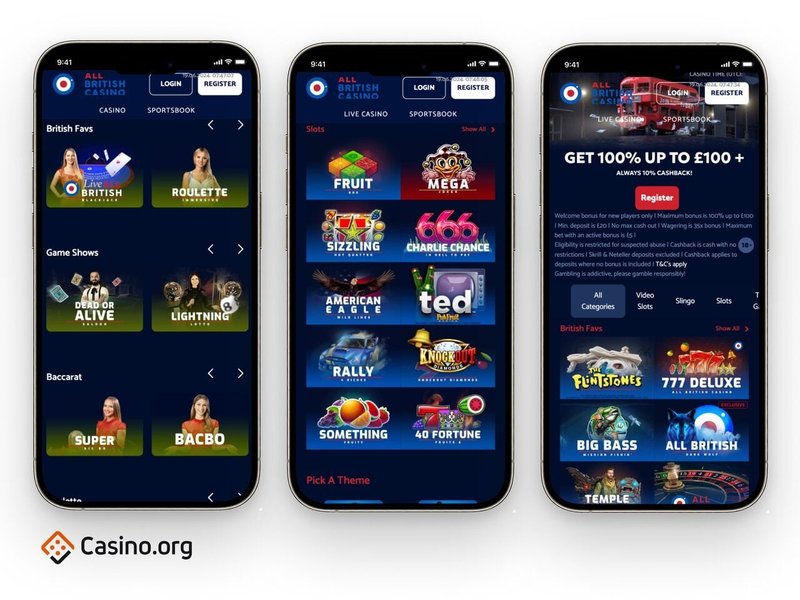
All this AI‑driven personalization mirrors trends in other digital pastimes. If you’re curious how these technologies spill over into online gaming, you might notice the same adaptive algorithms at work on casino platforms. For a quick glimpse, try the Gamblezen Casino Login and see AI‑powered game suggestions in action.
Challenges: Battery Drain and Data Privacy
AI isn’t a free lunch. Running inference models on a phone can shave 5–10% off battery life, especially during intensive sessions. Developers mitigate this by offloading heavy computation to the cloud, but that raises data‑transfer concerns. The UK’s GDPR framework forces strict consent flows, which can interrupt the seamless experience some users expect.
Moreover, not all players appreciate constant adaptation. A small segment—about 8% of surveyed gamers—reported feeling “controlled” when the game altered difficulty without explicit permission.
Looking Ahead: Edge AI and Cross‑Platform Play
Future updates will likely push AI to the edge, running entirely on device chips like Apple’s Neural Engine or Qualcomm’s Hexagon. This promises faster responses and less reliance on network latency, crucial for competitive multiplayer titles.
We’re also seeing the rise of cross‑platform AI ecosystems, where a player’s preferences learned on a phone inform the experience on a console or VR headset. For UK gamers, this could mean a unified, intelligent avatar that remembers your favorite strategies whether you’re on a commute or at home.
Bottom Line
AI is turning mobile games from static distractions into responsive companions. From dynamic difficulty and personalised content to voice control and AI‑crafted art, the technology is reshaping how we play on the go. While battery use and privacy remain hurdles, the momentum is clear: the next wave of UK mobile gaming will feel less like a one‑size‑fits‑all product and more like a personal coach, storyteller, and teammate rolled into one.
Deixe um comentário